 EN
EN BG
BG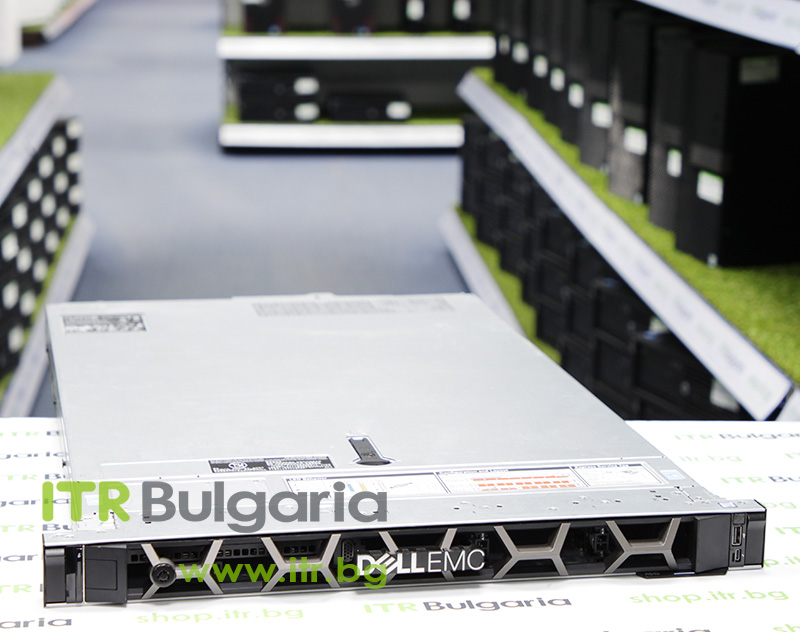
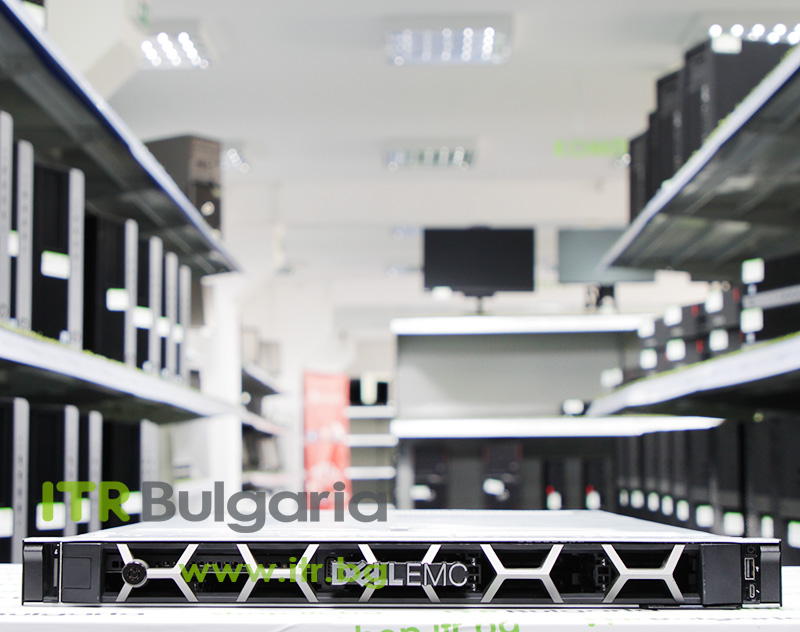
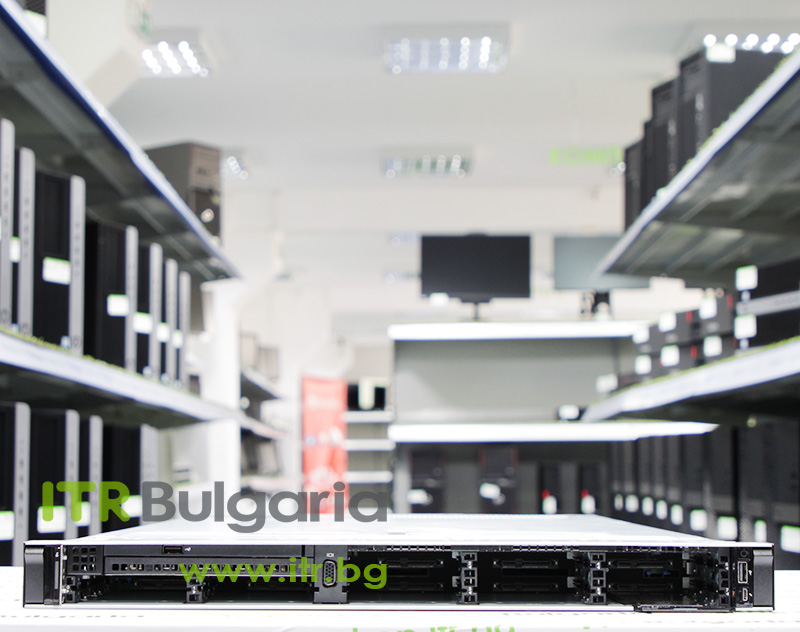
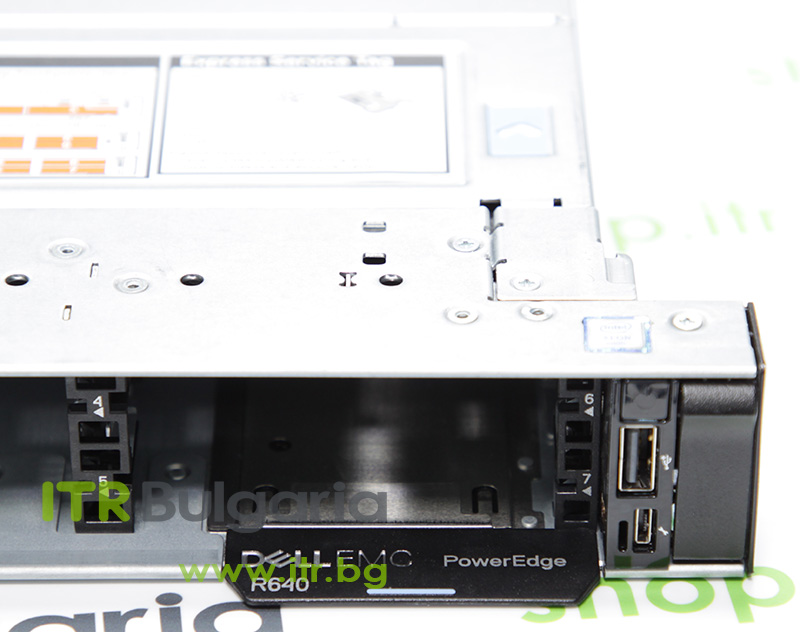
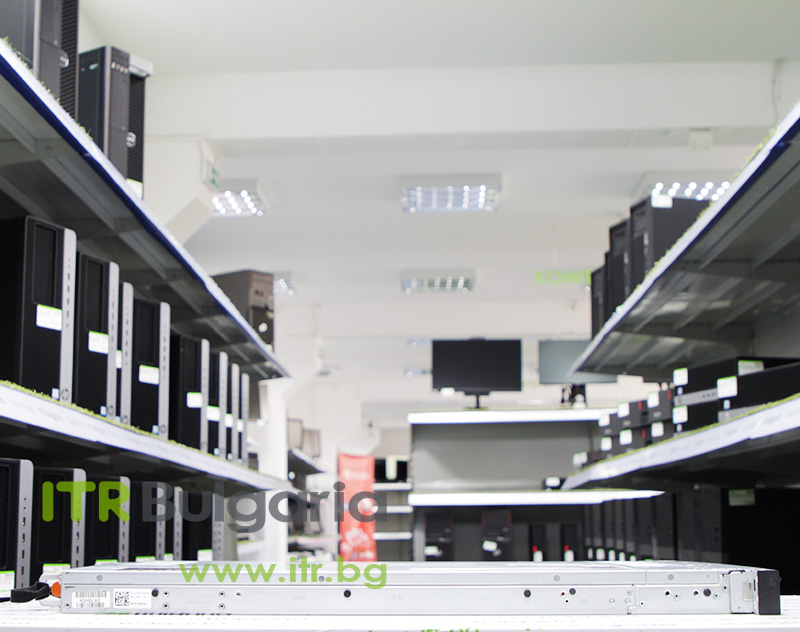
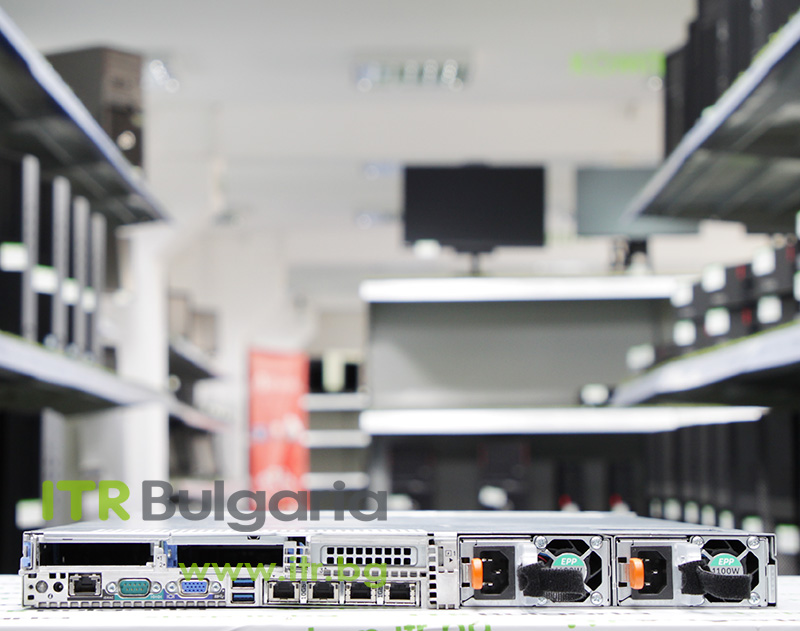
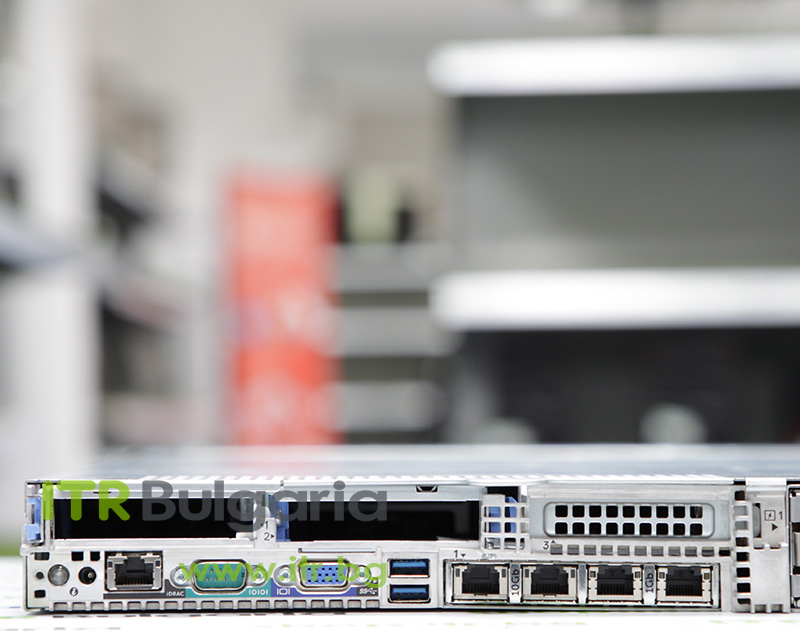
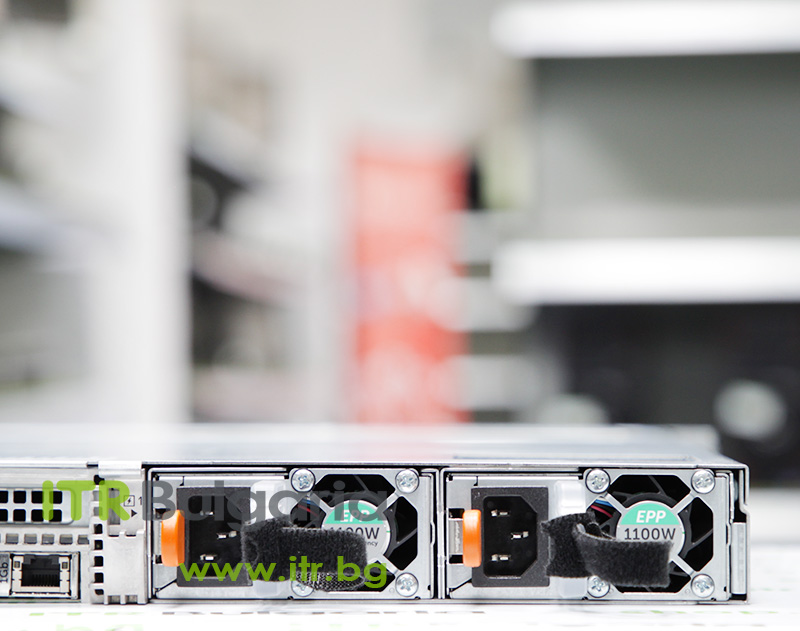
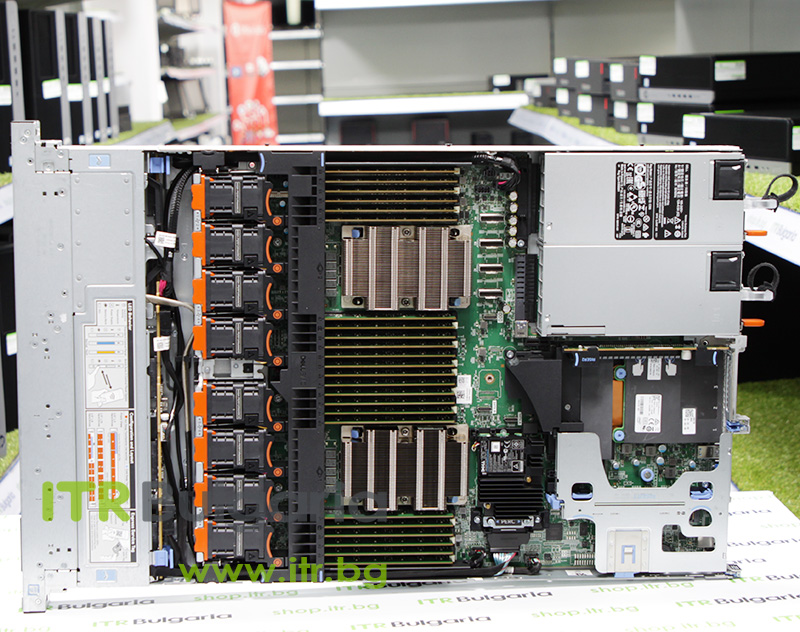
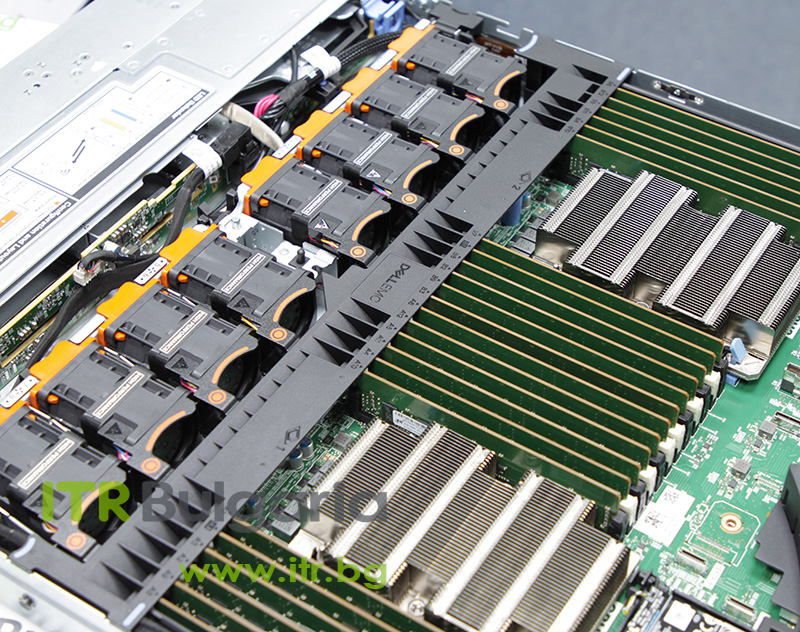
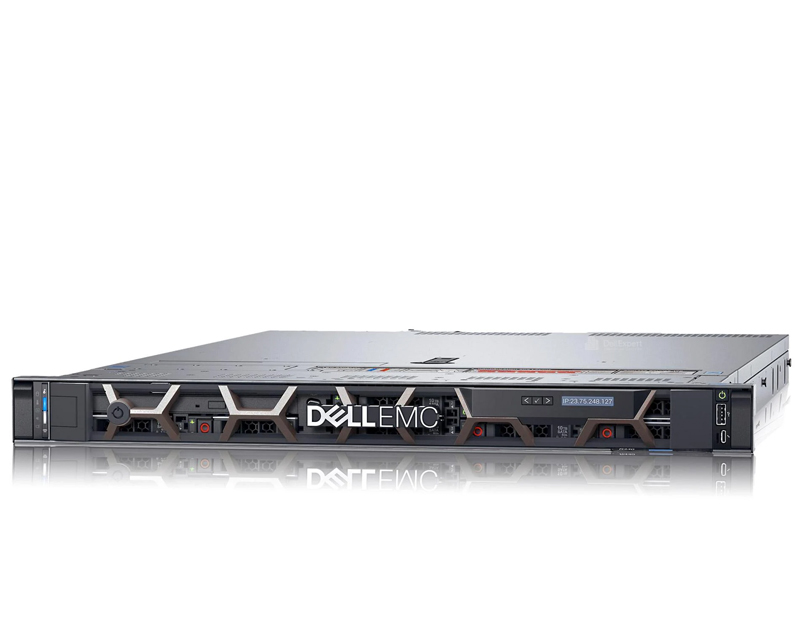
Dell PowerEdge R640 Rack Mount 1U
| Brand: | Dell |
| Model: | PowerEdge R640 |
| Grade: | Grade A |
| Storage support: | 8x 2.5" |
| CPU: | 2x Intel Xeon 14-Core Gold |
| CPU frequency: | 6132 2600MHz 19.25MB |
| Memory size: | 128GB |
| Memory type: | RDIMM DDR4 |
| Storage capacity: | No storage |
| Storage type: | SAS 2.5" |
| RAID Controller: | PERC H730P/2GB Mini Mono with BBWC |
| Network card type: | 2-port 1Gb Ethernet, 2-port 10Gb Ethernet rNDC |
| PSU: | 2x 1100W Platinum |
| Management: | iDRAC9 Enterprise |
| Case type: | Rack Mount 1U |
| Warranty: | 12 months |
Benefits
Density in 1U
Delivers strong compute capability in a compact chassis, allowing more nodes in the same rack.
PowerEdge Gen14 management
The iDRAC9 ecosystem makes remote administration, firmware maintenance and standardized operations easier.
Flexible compute role
Works well as a virtualization host, application node, backup proxy, management server or part of a larger cluster.
Strong refurbished value
As a refurbished server, the R640 often provides a more capable enterprise platform than a new entry-level tower or rack server.
Description
Dell PowerEdge R640 is a server for situations where rack space has a real cost. It is not a 2U platform that relies on extra internal volume and easier expansion; it is a 1U system designed around density, predictability and rapid deployment of compute nodes.
Its strength is the balance between compact size and enterprise-class architecture. The R640 should not be treated as a universal storage server; it is better understood as a compute unit that can become part of a wider infrastructure.
As a used server, the R640 makes particular sense when it is sold with a clear configuration, tested memory, working power supplies, checked fans, a storage controller appropriate to the exact unit and a real warranty.
The compromise is typical for 1U servers: they are dense, but they are not the quietest or most spacious option. If you need substantial local storage, more PCIe cards or easier physical access inside the chassis, PowerEdge R740 or R740xd may be a better fit.
Use cases
Virtualization in limited rack space
For small and medium clusters where every rack unit matters.
Application or services node
For separating business applications, middleware, internal services or test environments.
Private cloud compute layer
When several similar nodes make the environment easier to support.
Backup proxy or management server
When reliability is needed but 2U storage capacity is not the main requirement.
Applications and workload fit
This map shows which applications Dell PowerEdge R640 fits best as a refurbished server and where another form factor, configuration or more specialized platform may be the better choice. The ratings describe the model role, while the final decision should still follow CPU, memory, controller, drive, networking and warranty requirements.
Virtualization
Optimal scenarioStrong 1U choice for multiple VMs or clusters of similar nodes, especially where rack space is limited.
Cloud
Very suitableSuitable as a compute node for private cloud or internal cloud infrastructure when the storage layer is separate or shared.
Data Storage
Configuration-dependentCan provide local storage depending on configuration, but it is not a storage-first model; the R740xd is more logical for drive-heavy designs.
Backup
SuitableGood as a backup proxy, smaller repository or management node; large backup archives are better served by a 2U storage platform.
Edge Computing
Very suitableThe compact 1U format fits branch racks, local cabinets and edge compute roles.
High Performance Computing (HPC)
SuitableSuitable for CPU compute nodes in a cluster, but not the first choice for workloads requiring many GPUs or large internal volume.
Mission Critical
SuitableCan support critical services as part of a cluster or HA design, but should not be a single point of failure.
Database
SuitableGood for moderate databases and test or production systems with shared storage; very large local arrays favor the R740xd.
Web Server
Optimal scenarioVery suitable for web applications, API services and scale-out web tiers.
AI & Machine Learning
Configuration-dependentUseful for CPU inference, preparation tasks or light ML environments; not a first choice for GPU-heavy training.
Big Data & Analytics
SuitableMakes sense as a compute node in distributed analytics, not as the main local data lake.
Content Delivery Network (CDN)
Very suitableSuitable for edge and cache nodes where density and remote management matter.
Email Hosting
Very suitableGood for corporate mail services, gateways or separated messaging components.
Development and Testing
Optimal scenarioPractical for labs, staging environments, CI/CD runners and isolated test VMs.
Gaming Servers
SuitableCan host game server processes when a stable rack server is needed, but it is not a graphics-oriented platform.
IoT (Internet of Things)
Very suitableSuitable for local processing, gateway roles and data collection from IoT devices.
Collaboration Tools
SuitableCan host SharePoint, Confluence and similar tools when RAM, storage and backup are sized correctly.
Security and Surveillance
Configuration-dependentGood for management or analytics layers, but not ideal as a large video-storage server.
Load Balancing
Optimal scenarioVery good for load balancers, reverse proxies, gateways and network-facing services.
Media Streaming
SuitableSuitable for moderate streaming services; large media libraries need a separate storage layer.
Enterprise Applications (ERP, CRM, VDI etc)
Very suitableGood for ERP/CRM components and VDI compute roles when storage and redundancy are designed separately.
Cache Service
Optimal scenarioVery suitable for Redis, Memcached and other RAM-oriented cache services if enough memory is installed.
File Server
SuitableSuitable for shared folders and project files when the data volume does not require a storage-first chassis.
Directory & Network Services
Very suitableVery suitable for DNS, DHCP, Active Directory/LDAP and other internal infrastructure services.
Workload fit map
Infrastructure highlights
- 1U PowerEdge Gen14 platform
- Compute-density focus
- Suitable for virtualization and clusters
- iDRAC9 management depending on configuration
- Strong refurbished value in standardized environments
Useful links
Ready to configure this server?
Browse the filtered configurations for this model or send a CTO request based on workload, budget and warranty needs.
Where this model fits in the series
The R640 is the compact compute model in this group. Compared with the R740, it uses half the rack height but does not offer the same internal room for drives and PCIe expansion. Compared with the R740xd, it is a compute node rather than a storage-first platform.
Not ideal if…
Not ideal if you need maximum local storage, multiple internal PCIe expansions, low noise in an office environment or a server that will sit outside a server room.
Choosing the right form factor
Choose a 1U server such as the R640 when rack space is limited and the goal is more compute nodes. Choose 2U if you prefer more internal volume and better expansion.
Alternative models
- Dell PowerEdge R740: if you want a 2U balance of compute, storage and expansion.
- Dell PowerEdge R740xd: if the workload is strongly local-storage or software-defined-storage oriented.
- HPE ProLiant DL360 Gen10: if you prefer the HPE ecosystem with a similar 1U logic.
Refurbished by ITR Bulgaria : what value do you get?
Buying a refurbished enterprise server makes the most sense when the machine has been checked, configured and prepared for real business use. In that case, used servers become refurbished servers that can be a practical, predictable and professional alternative to new budget systems or much more expensive new enterprise configurations.
- Technical and cosmetic assessment according to an internal standard
- Checks of processors, memory, power supplies, fans, controllers and management features depending on the exact configuration
- Cleaning, refurbishment and configuration for repeated business use
- CTO configuration options aligned with workload, budget and availability
- Packaging, real warranty and support from ITR Bulgaria
Frequently asked questions
Is the R640 suitable for virtualization?
Yes. That is one of its most natural use cases, especially when compute density in 1U matters.
Can it be used as a storage server?
It can include local storage depending on configuration, but it is not a storage-first model like the R740xd.
What should I check before buying?
CPU, memory type and capacity, drive bay layout, RAID controller, power supplies, network adapters, iDRAC license and warranty.

The offered items are used

The products are tested for quality and reliability

Service and maintenance of warranty equipment
- CPU: 2x Intel Xeon 8-Core E5
- CPU frequency: 2667 v4 3200MHz 25MB
- Memory size: 128GB
- Memory type: RDIMM DDR4
- Storage capacity: No storage
- CPU: 2x Intel Xeon 20-Core Gold
- CPU frequency: 6138 2000MHz 27.5MB
- Memory size: 128GB
- Memory type: RDIMM DDR4
- Storage capacity: No storage
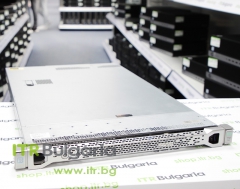
- CPU: Intel Xeon 10-Core E5
- CPU frequency: 2630L v4 1800MHz 25MB
- Memory size: 128GB
- Memory type: RDIMM DDR4
- Storage capacity: No storage
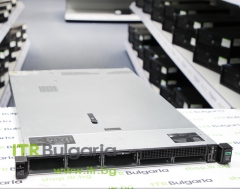
- CPU: 2x Intel Xeon 14-Core Gold
- CPU frequency: 6132 2600MHz 19.25MB
- Memory size: 256GB
- Memory type: RDIMM DDR4
- Storage capacity: No storage
- CPU: Intel Xeon 8-Core E5
- CPU frequency: 2630L v3 1800MHz 20MB
- Memory size: 64GB
- Memory type: RDIMM DDR4
- Storage capacity: No storage
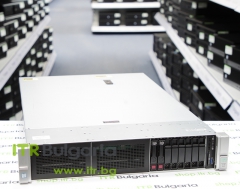
- CPU: 2x Intel Xeon 18-Core E5
- CPU frequency: 2697 v4 2300MHz 45MB
- Memory size: 128GB
- Memory type: RDIMM DDR4
- Storage capacity: No storage
- CPU: 2x Intel Xeon 18-Core Gold
- CPU frequency: 6154 3000MHz 24.75MB
- Memory size: 256GB
- Memory type: RDIMM DDR4
- Storage capacity: No storage
- CPU: 2x Intel Xeon 24-Core Platinum
- CPU frequency: 8168 2700MHz 33MB
- Memory size: 256GB
- Memory type: RDIMM DDR4
- Storage capacity: No storage
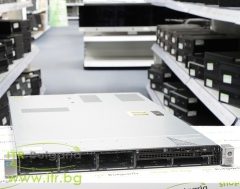
- CPU: Intel Xeon 6-Core E5
- CPU frequency: 2630L 2000MHz 15MB
- Memory size: 32GB
- Memory type: RDIMM DDR3
- Storage capacity: No storage
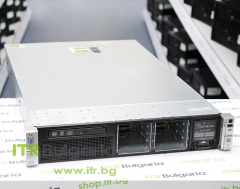
- CPU: 2x Intel Xeon 6-Core E5
- CPU frequency: 2630 v2 2600MHz 15MB
- Memory size: 128GB
- Memory type: RDIMM DDR3L
- Storage capacity: No storage