 EN
EN BG
BG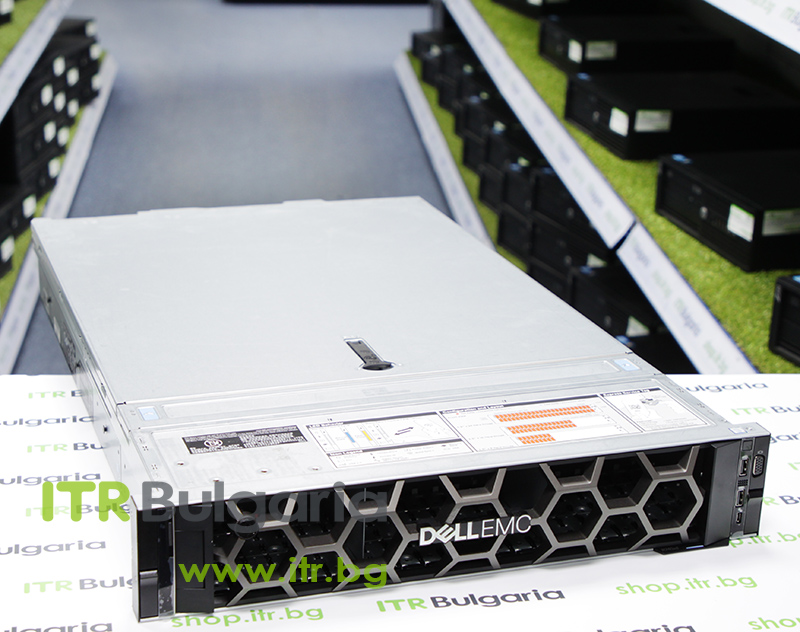
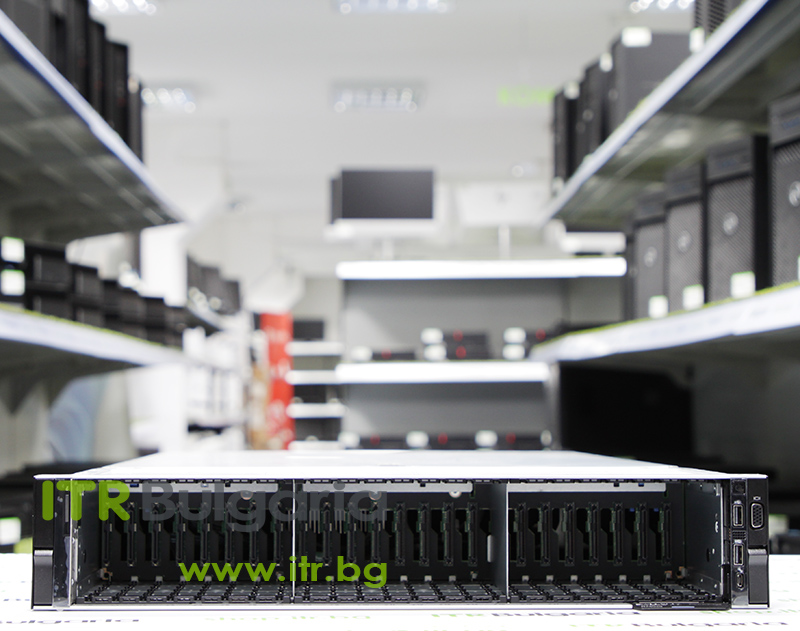
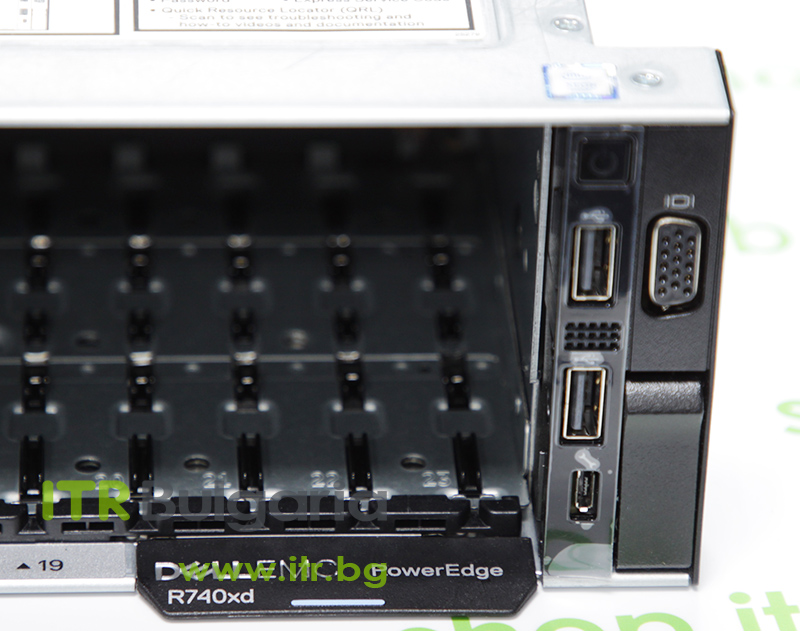
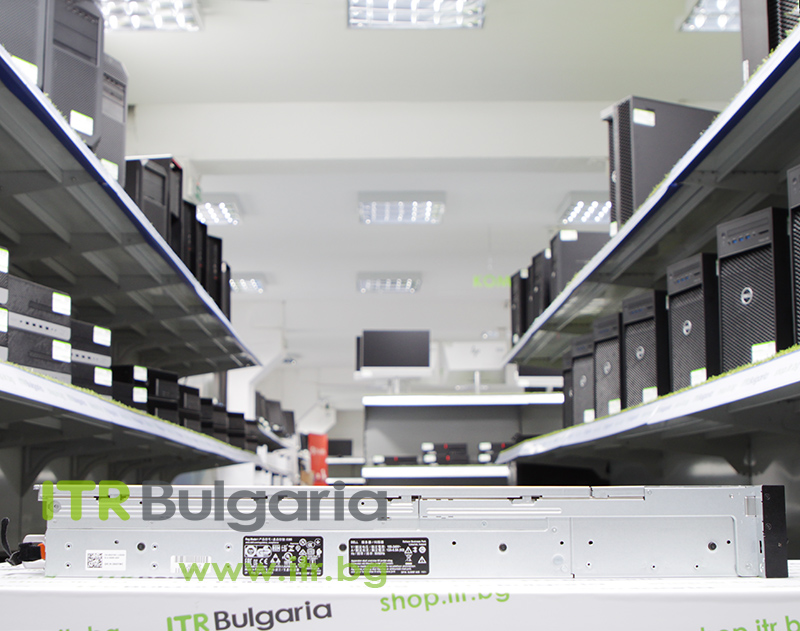

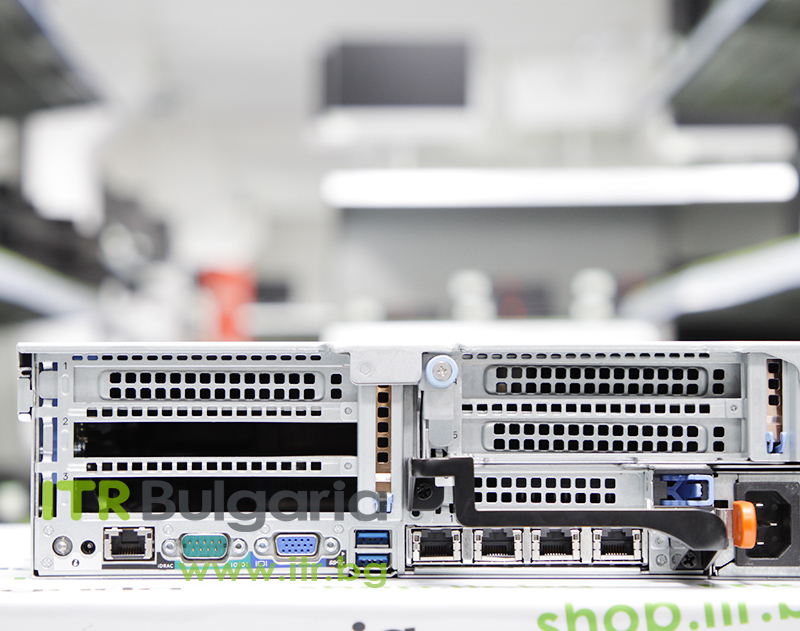
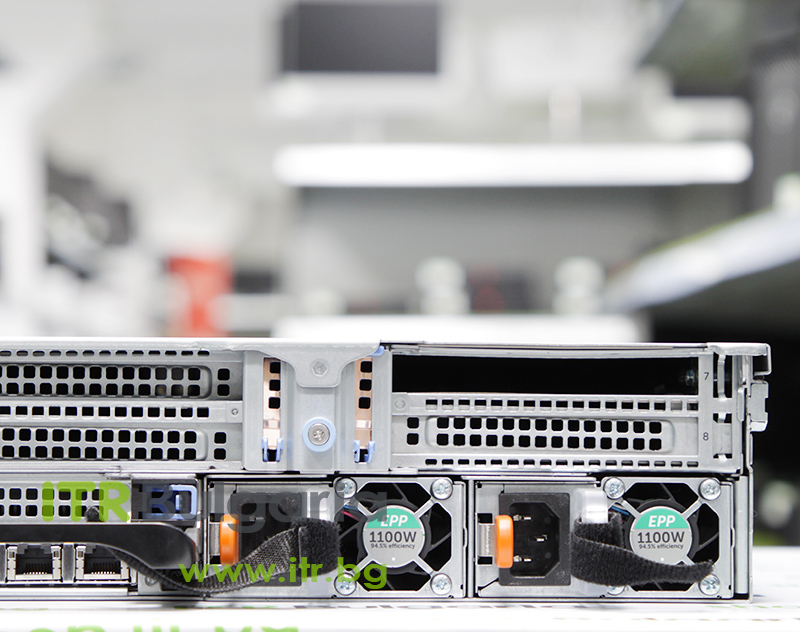
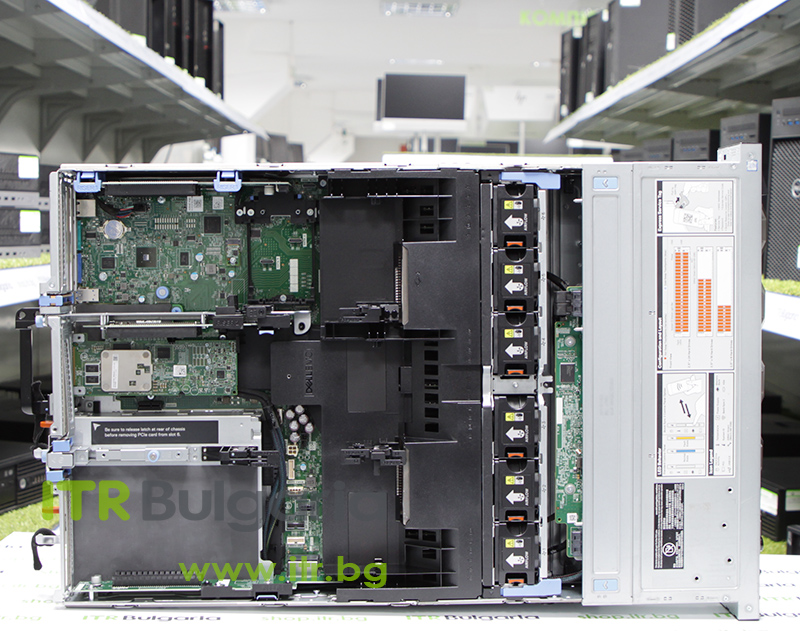
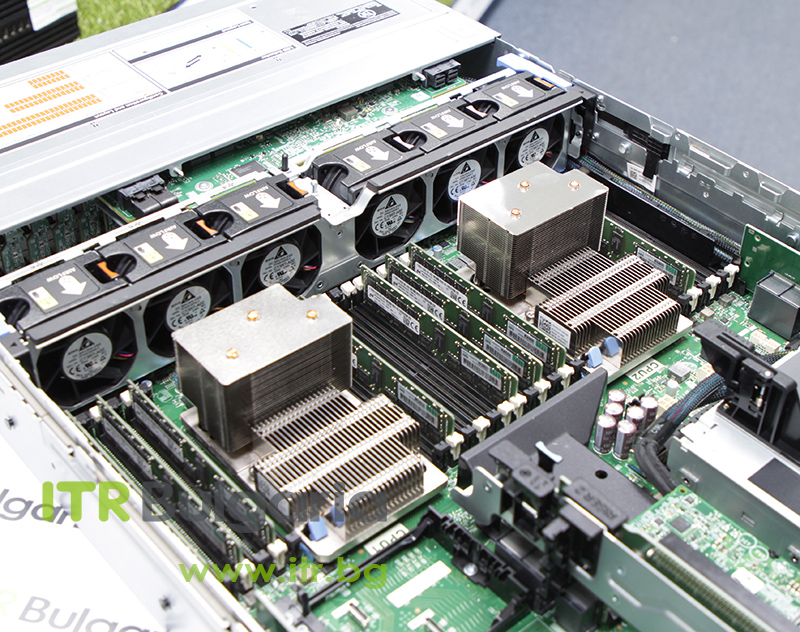
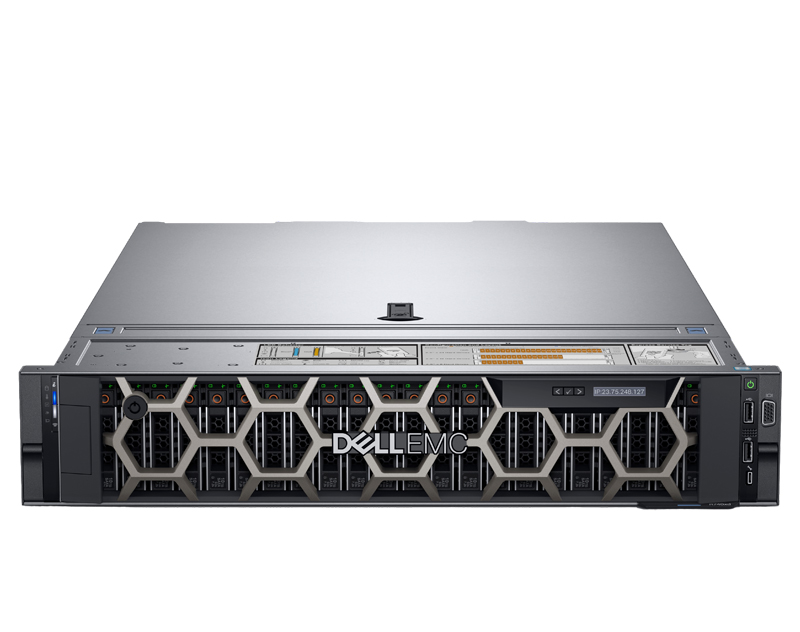
Dell PowerEdge R740xd Rack Mount 2U
| Brand: | Dell |
| Model: | PowerEdge R740xd |
| Grade: | Grade A |
| Storage support: | 24x 2.5" |
| CPU: | 2x Intel Xeon 14-Core Gold |
| CPU frequency: | 6132 2600MHz 19.25MB |
| Memory size: | 128GB |
| Memory type: | RDIMM DDR4 |
| Storage capacity: | No storage |
| Storage type: | SAS 2.5" |
| RAID Controller: | PERC H730P/2GB with BBWC |
| Network card type: | 4-port 1Gb Ethernet rNDC |
| PSU: | 2x 1100W Platinum |
| Management: | iDRAC9 Enterprise |
| Case type: | Rack Mount 2U |
| Warranty: | 12 months |
Benefits
Enterprise class
A server-grade platform with management, redundancy and service logic depending on the exact configuration.
CTO approach
Can be configured around workload, budget, availability and warranty requirements.
Refurbished value
As a refurbished server, it provides access to higher-class hardware at a more rational cost.
Infrastructure predictability
More suitable than consumer or entry-level equipment when the system must run continuously.
Description
Dell PowerEdge R740xd should be evaluated differently from the standard R740. It is not simply another 2U PowerEdge server; it is the storage-oriented version for infrastructures where drives, backplane layout and future capacity are key.
This model is especially suitable for software-defined storage, backup repositories, VDI environments, service provider infrastructure, labs with large datasets or companies that want to combine compute and a substantial local disk layer.
As a used server, the R740xd is strong when configured with a clear purpose. It makes sense when you know whether the priority is capacity, IOPS, backup retention, VM datastores, cold or warm storage, or hybrid use.
The compromise is that the R740xd can be unnecessarily complex or expensive when the workload is not storage-heavy. For pure compute, the R640 is denser. For a universal 2U server, the R740 is simpler.
Use cases
Software-defined storage
For Ceph, vSAN, Storage Spaces Direct and other solutions where local disks are part of the cluster.
Backup repository
When large local capacity, predictability and enterprise management are needed.
VDI with local datastore
Where storage performance directly affects user experience.
Service provider infrastructure
When capacity, manageability and standardized server nodes must be combined.
Applications and workload fit
This map shows which applications Dell PowerEdge R740xd fits best as a refurbished server and where another form factor, configuration or more specialized platform may be the better choice. The ratings describe the model role, while the final decision should still follow CPU, memory, controller, drive, networking and warranty requirements.
Virtualization
Very suitableStrong for virtualization with more local storage or HCI designs where the disk layer is part of the node.
Cloud
Very suitableSuitable for private cloud and HCI environments that combine compute and storage in one server.
Data Storage
Optimal scenarioOne of the strongest R740xd scenarios: local storage, software-defined storage and large arrays depending on configuration.
Backup
Optimal scenarioVery good as a backup repository or combined backup and storage platform.
Edge Computing
Configuration-dependentMakes sense only when the edge location needs significant local storage; otherwise a 1U model is more compact.
High Performance Computing (HPC)
Configuration-dependentNot its primary focus; it can run CPU tasks, but storage-first design is the main reason to choose it.
Mission Critical
Very suitableSuitable for important storage and application roles in a properly redundant design.
Database
Very suitableVery suitable for databases with heavier local I/O when controller, drives and backup design are appropriate.
Web Server
SuitableCan serve web applications, especially when those services rely on large local file or media stores.
AI & Machine Learning
Configuration-dependentUseful for data staging and dataset storage; not a first choice for GPU-heavy training.
Big Data & Analytics
Optimal scenarioVery strong for analytics, data nodes and local storage of large datasets.
Content Delivery Network (CDN)
Optimal scenarioA strong CDN or cache node when significant content must be stored locally.
Email Hosting
SuitableSuitable when the mail environment has large archives or local mailbox databases; smaller sites may prefer the R740.
Development and Testing
SuitableMakes sense for testing storage, HCI, backup and data-heavy applications; it may be excessive for ordinary development.
Gaming Servers
SuitableSuitable for game hosting with many local files, mods or content repositories; not a graphics server.
IoT (Internet of Things)
Very suitableGood for IoT data ingestion and local storage of large streams from devices.
Collaboration Tools
Very suitableStrong for collaboration platforms with many documents, attachments and local data.
Security and Surveillance
Optimal scenarioVery suitable for video surveillance, VMS/NVR roles and security systems with large local recording needs.
Load Balancing
Configuration-dependentCan run the role, but a storage-first server is usually oversized for a standalone load balancer.
Media Streaming
Optimal scenarioVery suitable for media libraries, streaming and content repositories with substantial local storage.
Enterprise Applications (ERP, CRM, VDI etc)
Very suitableSuitable for ERP, CRM and VDI when local storage and I/O matter to the architecture.
Cache Service
SuitableCan be used for caching, but its main value is in data-heavy roles.
File Server
Optimal scenarioA naturally strong fit for file services, shared resources and centralized storage when disk capacity is a leading factor.
Directory & Network Services
SuitableSuitable for DNS, DHCP, Active Directory/LDAP and other internal services, although it usually makes more sense alongside storage-heavy roles.
Workload fit map
Infrastructure highlights
- Storage-optimized PowerEdge Gen14
- 2U dual-socket platform
- Suitable for SDS and backup
- Clearer storage role than R740
- iDRAC9 management depending on configuration
Useful links
Ready to configure this server?
Browse the filtered configurations for this model or send a CTO request based on workload, budget and warranty needs.
Where this model fits in the series
The R740xd is the storage-first member of this group. The R640 is compact compute, the R740 is the universal 2U model, and the R740xd is for scenarios where drives and backplane layout lead the decision.
Not ideal if…
Not ideal if you need an inexpensive virtualization host without significant local storage, or maximum density in 1U.
Choosing the right form factor
Choose the form factor by role: 1U for compute density, 2U for balance and storage or expansion, and four-socket 2U only when scale-up architecture brings real value.
Alternative models
- Dell PowerEdge R740: if you want a more balanced 2U server without a storage-first focus.
- HPE ProLiant DL380 Gen10: if you prefer HPE and iLO management.
- Dell PowerEdge R640: if the workload is compute-first and rack space is limited.
Refurbished by ITR Bulgaria : what value do you get?
Buying a refurbished enterprise server makes the most sense when the machine has been checked, configured and prepared for real business use. In that case, used servers become refurbished servers that can be a practical, predictable and professional alternative to new budget systems or much more expensive new enterprise configurations.
- Technical and cosmetic assessment according to an internal standard
- Checks of processors, memory, power supplies, fans, controllers and management features depending on the exact configuration
- Cleaning, refurbishment and configuration for repeated business use
- CTO configuration options aligned with workload, budget and availability
- Packaging, real warranty and support from ITR Bulgaria
Frequently asked questions
Is it suitable for virtualization?
Yes, if the exact configuration is sized for the number of virtual machines, memory needs and storage profile.
What should be specified for a quote?
CPU, RAM, drive bay format, controller, drives, networking, management license, power supplies, rails and warranty.
Why choose a refurbished server?
Because enterprise class often provides better manageability, redundancy and service logic than a new budget model.

The offered items are used

The products are tested for quality and reliability

Service and maintenance of warranty equipment
- CPU: 2x Intel Xeon 20-Core Gold
- CPU frequency: 6138 2000MHz 27.5MB
- Memory size: 128GB
- Memory type: RDIMM DDR4
- Storage capacity: No storage
- CPU: Intel Xeon 6-Core E5
- CPU frequency: 2620 2000MHz 15MB
- Memory size: 32GB
- Memory type: RDIMM DDR3L
- Storage capacity: No storage
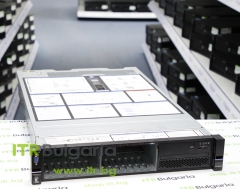
- CPU: 2x Intel Xeon 12-Core E5
- CPU frequency: 2650 v4 2200MHz 30MB
- Memory size: 128GB
- Memory type: RDIMM DDR4
- Storage capacity: No storage

- CPU: 2x Intel Xeon 6-Core E5
- CPU frequency: 2620 2000MHz 15MB
- Memory size: 64GB
- Memory type: RDIMM DDR3L
- Storage capacity: No storage
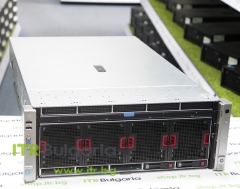
- CPU: 4x Intel Xeon 15-Core E7
- CPU frequency: 8895 v2 2800MHz 37.5MB
- Memory size: 1TB
- Memory type: RDIMM DDR3L
- Storage capacity: No storage
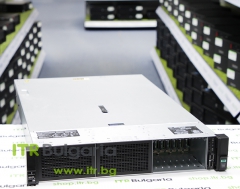
- CPU: 2x Intel Xeon 24-Core Platinum
- CPU frequency: 8160 2100MHz 33MB
- Memory size: 128GB
- Memory type: RDIMM DDR4
- Storage capacity: No storage
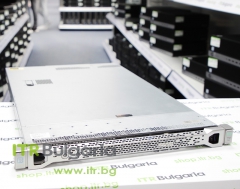
- CPU: Intel Xeon 8-Core E5
- CPU frequency: 2667 v3 3200MHz 20MB
- Memory size: 128GB
- Memory type: LRDIMM DDR4
- Storage capacity: No storage
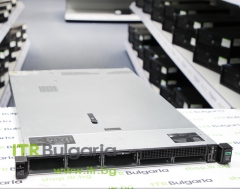
- CPU: 2x Intel Xeon 24-Core Gold
- CPU frequency: 6262 1900MHz 33MB
- Memory size: 128GB
- Memory type: RDIMM DDR4
- Storage capacity: No storage
- CPU: 2x Intel Xeon Quad-Core E5
- CPU frequency: 2637 v3 3500MHz 15MB
- Memory size: 64GB
- Memory type: RDIMM DDR4
- Storage capacity: No storage